Law Enforcement and the Emotional Toll of Medical Incidents

By: Deputy Brandon Griffith
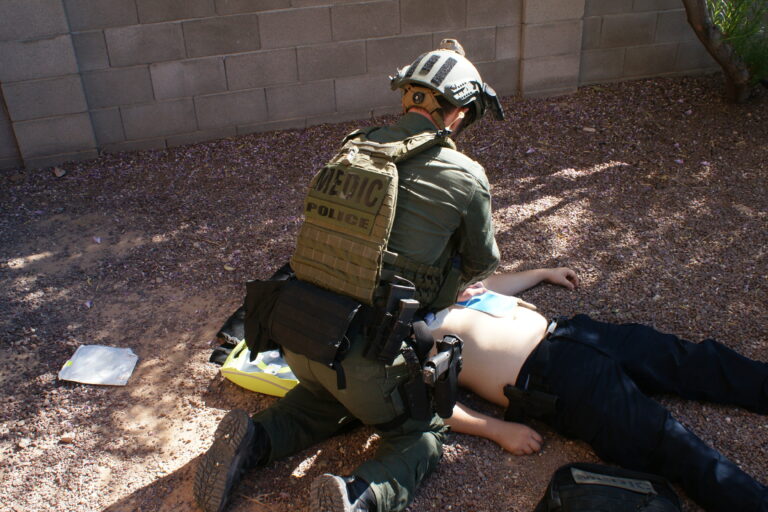
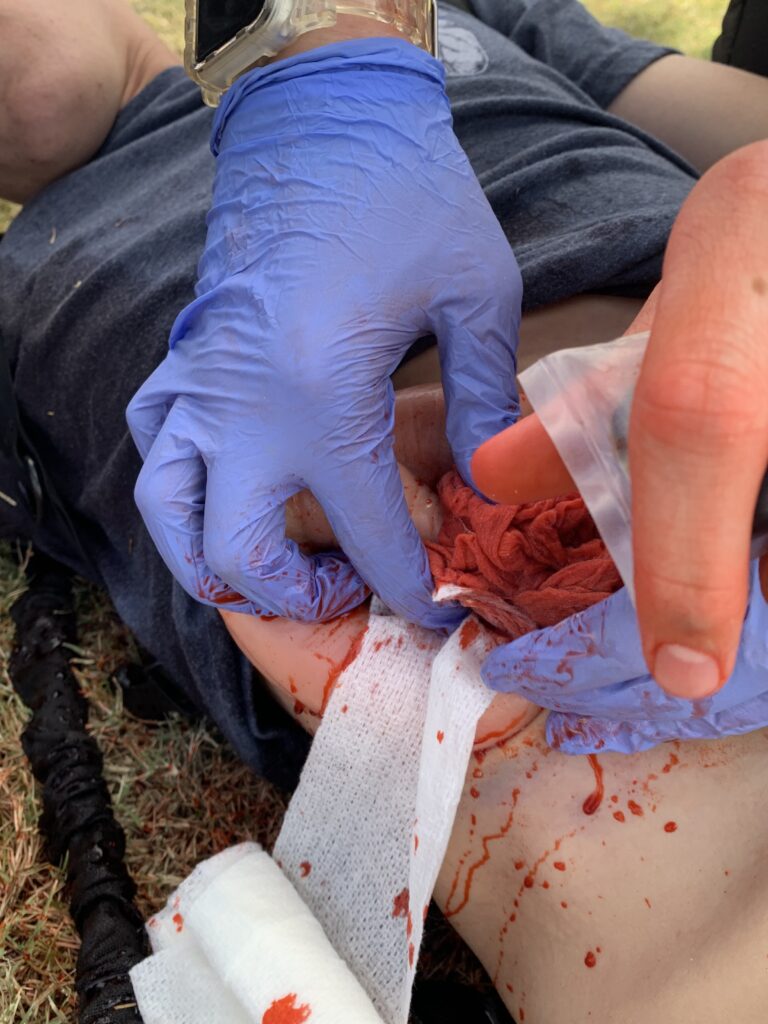
Law enforcement is the nation’s fastest first responders and are most often on scene first to life & death medical incidents-motor vehicle accidents, gun shot victims, cardiac arrests, drug overdoses, suicide attempts, drownings, and other critical events where seconds matter. The public often associates medical incident trauma with paramedics, firefighters, and EMTs. Law enforcement experience similar, and sometimes even greater, emotional and psychological burdens from emergency medical incidents. These calls can leave lasting impressions, challenging an officer’s mental health long after the sirens stop.
The Emotional & Psychological Impact
Responding to life-threatening emergencies exposes law enforcement to repeated trauma. The cumulative stress of repeatedly witnessing and providing care to suffering, injury, and death-especially when the victims are children, fellow officers, or someone you know-can take significant tolls.
Law enforcement experience elevated rates of depression, anxiety, post-traumatic stress, and suicidal ideation compared to the public. The Journal of Occupational and Environmental Medicine found that between 7% and 19% of officers may experience PTSD symptoms, depending on exposure level and support systems (Violanti et al., 2018). Furthermore, prolonged exposure to critical incidents can lead to cumulative traumatic stress, which erodes resilience and contributes to burnout (Papazoglou & Andersen, 2014).
You Can do Everything Right and Still Suffer the Loss of a Patient
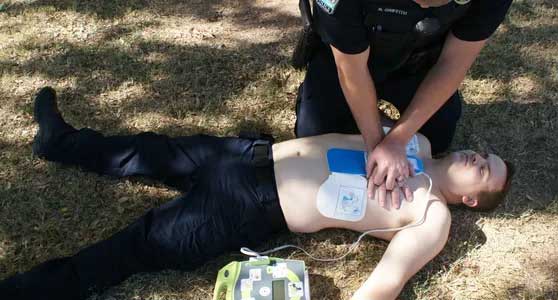
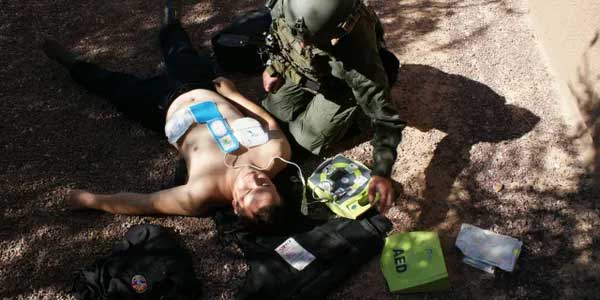
Perhaps one of the most heart-wrenching realities for law enforcement who provide medical aid is that several times despite your rapid response, and providing medical care exactly as you’ve been trained, the patient still dies. When you attempt to put that vehicle fire out unsuccessfully and watch a family burn to death, when a gunshot victim takes their last breath while you’re placing a chest seal, when the AED says “no shock advised” and Fire/EMS still have an extended delay, when you attempt to resuscitate that “SIDS” (sudden infant death syndrome) baby even through you know they’re gone so family sees you try, these experiences can leave you with deep emotional wounds, guilt, and self-doubt.
It’s essential to understand that tragic outcomes like losing a patient or permanent disability do not equate to failure. Medical emergencies by nature are unpredictable and you can do everything right and the patient will still die.
Many cardiac arrests do not present with a shock able rhythm because of things like delays in recognition, lack of immediate bystander CPR, and respiratory-driven arrests. An officer rapidly responding, applying an AED to a patient, and initiating resuscitation efforts gives the patient significantly better odds but, they might have a non-shock able rhythm like asystole or pulseless electrical activity. This is not a failure on the officer’s part, and they should hold their head high knowing they gave that patient the best chances they could of survival.
No matter how fast you respond or how skilled law enforcement may be, medical emergencies can still result in loss. Accepting this truth helps protect your mental health and supports emotional resilience.
Recognizing Something Isn’t Right
Law enforcement agencies across the nation are recognizing that resilience requires maintenance. Acknowledging something isn’t right or that you’re emotionally impacted by continued stress is not weakness-it’s a sign of self-awareness and leadership. Signs law enforcement may need some support:
- Insomnia, difficulty sleeping, recurring nightmares
- Withdrawal from family, friends, things you like doing
- Excessive irritability, anger, frustration
- Intrusive memories, flashbacks to critical incidents
- Hopelessness or thoughts of self-harm
If you’re experiencing these symptoms, seeking help is crucial. There are a ton of law enforcement nonprofits, support organizations, therapists, etc. What works for one officer may not work for the next so try different things. It’s not stupid if something works for you.
“It’s Okay to Not be Okay”-But Don’t Stay There
Law enforcement is conditioned to be strong, stoic, and steadfast, but we’re human. No one is immune to the physiological or psychological effects of repeated trauma.
Our bodies flood us with norepinephrine “adrenaline” and cortisol in critical stress incidents which effects our sleep, heart health, immune system, metabolic system, brain structure, depression, irritability, anger, anxiety, hyperarousal, difficulty concentrating, emotional numbing. This hormone dysregulation is not something you can simply “tough it out” through or ignore. Repeated stress hormone surges could require interventions like improved sleep, stress management, exercise, social support, therapy, and even medical intervention. Getting help regulating your system is not a sign of weakness. Your health and well-being matter to your family, fellow officers, and the community which depends on you. Please prioritize taking care of yourself. We need you now more than ever.
Conclusion
Law enforcement face immense pressure as the true “first responders” to medical emergencies. The emotional toll of continuously responding to critical stress incidents can deeply affect your mental and physical health. But with awareness, recognition, support, and intentional self-care, officers can protect their health & well-being. Our badges represent courage, honor, and service-not just in our actions in the field, but in how we take care of selves to honor and serve our loved ones and communities.
References
- Papazoglou, K., & Andersen, J. P. (2014). A guide to enhancing resilience and preventing burnout in police officers. Traumatology, 20(2), 103–111.
- Violanti, J. M., Owens, S. L., McCanlies, E., Fekedulegn, D., & Andrew, M. E. (2017). Law enforcement suicide: A national analysis. International Journal of Emergency Mental Health, 19(4), 1–12.
- Violanti, J. M., et al. (2018). Police stressors and health: A state-of-the-art review. Policing: An International Journal, 41(6), 761–781.